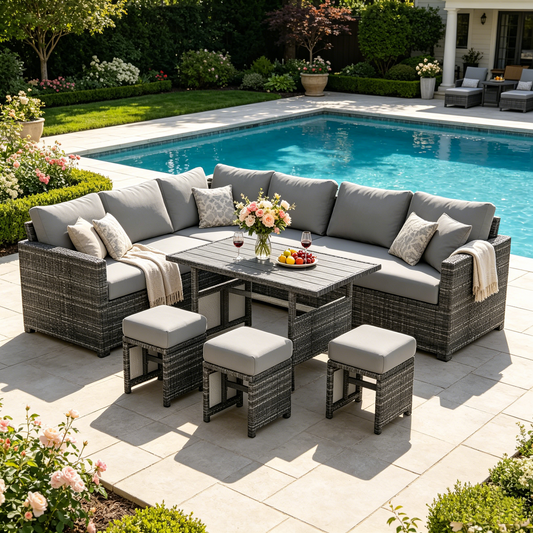
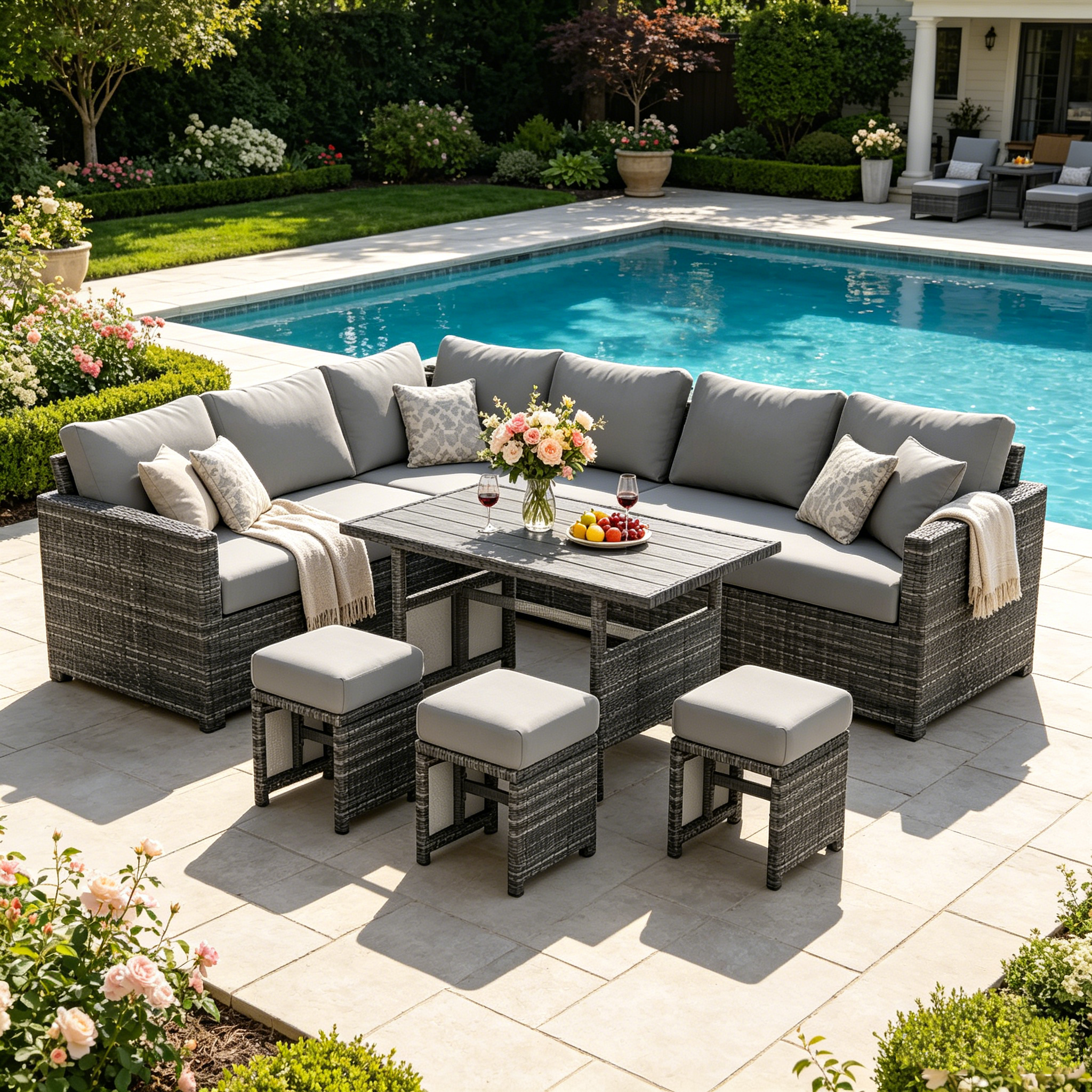
When it comes to outdoor living, location matters more than most people think. The same setup that looks perfect in one place may fail quickly in another. This is especially true when choosing the right gazebo material.
A gazebo in a dry desert climate faces very different challenges compared to one near the ocean. Heat, humidity, wind, and salt all affect how long materials last. That's why smart homeowners are moving away from "one size fits all" thinking and focusing more on climate-based backyard design ideas.
Today's buyers and homeowners want outdoor spaces that are not only beautiful but also durable. Whether you are exploring new backyard ideas or upgrading an existing setup, understanding how materials perform in your environment is key.
In this guide, we break down how different climates affect gazebo performance. From galvanized steel to UV-resistant fabrics, you'll learn how to match the right gazebo material to your local conditions-and avoid costly mistakes.

1. The Salt Air Challenge: Coastal & Tropical Regions
Designing outdoor spaces near the coast can be rewarding, but also challenging. The ocean brings beauty, but it also brings hidden damage risks. When planning backyard design ideas in these areas, material choice becomes critical.
1.1 The Silent Corrosive: Why Salt Air Destroys Standard Metal
Salt air is one of the biggest enemies of outdoor structures. It may not be visible, but it works quickly and constantly.
Salt particles in the air carry ions that speed up oxidation. This means metal surfaces start to rust much faster than they would inland. Even small amounts of exposure can lead to long-term damage.
- Salt accelerates rust formation, weakening metal over time
- Moisture in coastal air keeps surfaces damp, increasing corrosion speed
- Standard painted steel often fails because the coating wears off quickly
This is why choosing the right gazebo material is so important in coastal regions. Galvanized steel is a strong solution because it includes a protective zinc layer. This layer acts as a barrier, preventing salt from reaching the core metal.
For homeowners exploring durable backyard ideas, this type of material can significantly extend the lifespan of outdoor structures.
1.2 Wind Resistance for Storm Seasons
Coastal areas are also known for strong winds and seasonal storms. A gazebo that looks stable on a calm day may struggle during high gusts.
Wind pressure builds up under solid roofs. Without proper ventilation, this pressure can lift or damage the structure. That's why design matters just as much as material.
- Double-roof designs allow air to flow through and reduce pressure buildup
- Strong anchoring systems help keep the structure stable during storms
- Open airflow designs improve both safety and comfort

When combined with the right gazebo material, these features create a safer and more reliable outdoor space. They also support practical backyard design ideas that work year-round, even in unpredictable weather.
2. Extreme Heat & Arid Zones: Desert & Southwestern Living
Moving away from the coast, desert environments present a completely different challenge. Here, the main issue is not moisture-but intense sunlight and heat. These conditions can quickly damage materials that are not built for extreme exposure.
2.1 Fighting the Fade: UV-Resistant Fabrics
In desert climates, sunlight is constant and strong. Over time, this exposure can break down many materials. Without proper protection, even good-looking fabrics can lose strength and color much faster than expected.
Standard fabrics often fade, crack, or become brittle under UV rays. This not only affects appearance but also reduces structural strength. As a result, the gazebo may look worn out and require replacement sooner than planned.
- UV-resistant fabrics maintain color even after long sun exposure, helping the structure look newer for a longer time while reducing visible aging
- High-density materials prevent tearing and surface damage, especially under strong sunlight and dry conditions where weaker fabrics fail quickly
- Treated textiles last longer and require less replacement, which lowers maintenance effort and supports more stable long-term backyard ideas
For those planning long-term backyard ideas, investing in UV-protected materials helps avoid frequent repairs and keeps the space looking fresh. It also supports consistent and reliable backyard design ideas over time.
A good example is the YODOLLA outdoor pergola, which uses durable, sun-resistant materials designed for long exposure. It's built to hold up well in strong sunlight while keeping the overall look clean and consistent.
2.2 Smart Roofing Choices: Managing Heat with the Right Design
Heat control is another major factor in desert backyards. A poorly designed roof can trap heat and make the space uncomfortable. This often limits how often the gazebo can actually be used during the day.

Metal roofs, when designed properly, can actually improve comfort. Especially when combined with ventilation features, they help regulate temperature instead of trapping heat underneath the structure.
- Vented roof designs allow hot air to escape, reducing heat buildup and making the shaded area more comfortable during peak hours
- Reflective surfaces reduce heat absorption, helping to keep the structure cooler even under direct sunlight exposure
- Proper airflow creates a cooler shaded area underneath, improving usability and making the space more inviting for daily use
To better understand the difference, here's how common gazebo roof types perform in hot desert climates:
|
Roof Type |
Heat Behavior |
Comfort Level |
Suitability for Desert |
|
Solid non-vented roof |
Traps heat inside |
Low |
Poor |
|
Basic fabric canopy |
Absorbs heat over time |
Medium |
Moderate |
|
Vented metal roof |
Releases heat efficiently |
High |
Excellent |
This creates what many homeowners call a "cool pocket," making outdoor spaces usable even during hot afternoons. It allows people to enjoy shade without feeling trapped in heat.
When paired with smart backyard design ideas, this type of gazebo material turns a harsh environment into a comfortable retreat.
3. High-Humidity Hacks: Deep South & Lakefront Environments
In humid regions, the challenge shifts again. Instead of heat or salt, moisture becomes the main concern. Constant exposure to damp air can slowly damage both fabric and metal components.
High humidity levels create the perfect environment for mold and mildew. Without proper planning, outdoor structures can quickly deteriorate. This is why choosing the right gazebo material is especially important in these environments.
3.1 Preventing Mold Before It Becomes a Problem
Moist air settles on surfaces and creates long-lasting damp conditions. This is especially problematic for fabrics and enclosed spaces. Over time, this trapped moisture can lead to unpleasant odors and visible damage.
If airflow is limited, the problem becomes even worse. Enclosed designs may look private, but they often trap humidity inside. This creates an ideal environment for mold growth.
- Mold grows easily on damp fabric surfaces, especially when materials stay wet for long periods without direct sunlight or airflow
- Poor airflow traps moisture inside the structure, making it difficult for surfaces to dry naturally after rain or humidity buildup
- Enclosed curtains can increase humidity levels, reducing ventilation and creating a closed environment where mold spreads faster
One simple but effective solution is improving airflow. Mesh netting allows air to move freely while still providing protection. It helps keep the interior dry without sacrificing comfort.

For homeowners working on practical backyard ideas, this small change can make a big difference in long-term maintenance. It also supports healthier and more durable backyard design ideas.
3.2 Powder-Coating: A Stronger Shield Against Moisture
Metal structures also need protection in humid climates. Regular paint is often not enough to prevent moisture damage. Over time, water can seep through small cracks and reach the metal underneath.
Once moisture reaches the metal surface, rust can begin to form. This weakens the structure and affects its appearance. That's why a stronger protective layer is necessary.
- Forms a thicker, more durable protective layer, creating a sealed barrier that is much harder for moisture to penetrate compared to standard paint
- Prevents moisture from reaching the metal surface, reducing the risk of rust and extending the lifespan of the structure
- Reduces peeling and long-term wear, helping the gazebo maintain a clean and consistent look even in high-humidity conditions
For instance, YODOLLA gazebos often feature powder-coated steel frames designed to handle moisture-heavy environments. This kind of finish helps the structure stay durable and maintain a clean look even in high humidity.
Choosing powder-coated steel as your gazebo material helps ensure that the structure remains strong and visually appealing over time. It also reduces the need for frequent maintenance or repainting.
This is especially important when combining durability with clean backyard design ideas. A well-protected structure not only lasts longer but also keeps your outdoor space looking organized and inviting.
4. Quick Reference: Matching Climate with the Right Gazebo Material
After understanding how different climates affect outdoor structures, it becomes clear that material choice is not random. Each environment creates its own set of challenges, and the right solution depends on how well the material responds to those conditions.

Instead of guessing, it helps to look at a clear side-by-side comparison. This allows homeowners to quickly match their local weather with the most suitable gazebo material, making their backyard design ideas more practical and reliable.
To make things easier, here is a simple comparison of climate conditions and the best material choices:
|
Climate Type |
Main Challenge |
Recommended Gazebo Material |
Key Benefit |
|
Coastal / Tropical |
Salt & wind |
Galvanized steel + vented roof |
Corrosion resistance |
|
Desert / Southwest |
UV & heat |
UV-resistant fabric + metal roof |
Heat control & durability |
|
Humid / Lakefront |
Moisture & mold |
Powder-coated steel + mesh |
Mold prevention |
This table highlights a simple truth: no single material works everywhere. The best results come from choosing a gazebo material that directly responds to your local climate conditions.
When applied correctly, these insights can turn basic backyard ideas into long-lasting outdoor spaces. It also helps ensure your investment performs well over time, both in function and appearance.
Conclusion
Choosing the right gazebo material is not just about style. It is about making a smart, long-term investment.Each climate brings its own challenges, and ignoring them can lead to higher costs and shorter product life. But with the right approach, your outdoor space can stay beautiful and functional for years.
By combining climate-aware materials with thoughtful backyard design ideas, you can create a space that feels like a private getaway. Whether you live by the ocean, in the desert, or near a lake, the right choices will always pay off.In the end, great backyard ideas are not just about looks-they are about building a space that works with nature, not against it.